What Are the Causes of Constant Fatigue, Exhaustion, and Hair Loss?
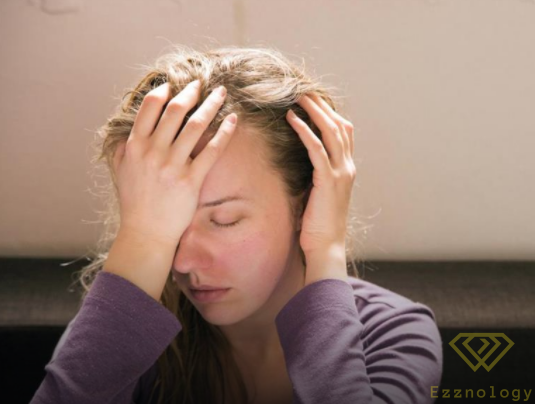
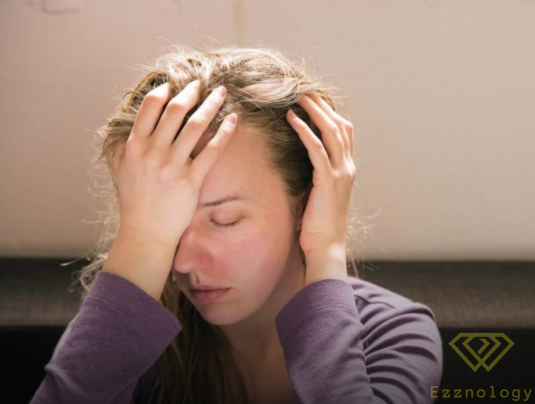
To begin with, the question that arises is: what causes constant fatigue, exhaustion, hair loss, chest pains,
depression, fear, mood swings, unexplained irritability, loss of balance while walking, and joint pain throughout the body, etc.?
The short answer is: Vitamin “D” deficiency:
What Is Vitamin D Deficiency?
Vitamin D deficiency is a condition in which the level of vitamin D in the blood falls below the normal range,
which negatively affects a person’s overall health, especially bone and muscle health.
Bones and Vitamin D Deficiency:
Vitamin D is considered one of the most important vitamins for maintaining skeletal and muscular health,
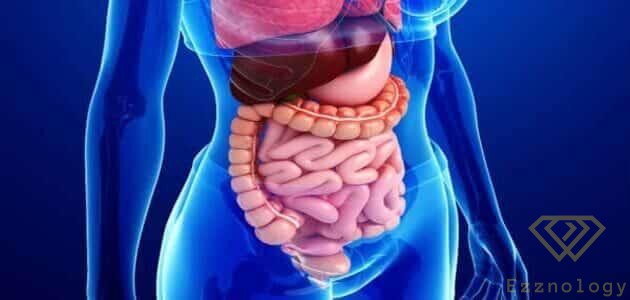
due to its primary role in maintaining calcium balance in the body by increasing the efficiency of calcium absorption from the small intestine,
and improving phosphorus absorption as well.
Both calcium and phosphorus are essential elements in the process of bone mineralization (Bone Mineralization),
which contributes to building strong and solid bones.
Therefore, given the importance of vitamin D in maintaining bone density,
its deficiency symptoms may appear in children in the form of rickets and bowing of the legs,
while in adults, vitamin D deficiency can lead to softening of the bones, osteoporosis,
or chronic muscle pain.
Hair and Vitamin D Deficiency:
As mentioned earlier, vitamin D has an effect on many cells in the human body,
including skin cells and hair follicles.
Vitamin D also affects hair follicles during the growth phase,
as it plays a role in stimulating hair follicles to grow,
which means that the effects of vitamin D deficiency on hair include hair loss and failure to grow due to weakened hair follicles as well.
It has also been found that individuals who suffer from alopecia areata (an autoimmune disease)
have a significant and noticeable deficiency in vitamin D levels in the body. It has also been observed that people who do not suffer from alopecia areata
but who experience hair loss also show signs of vitamin D deficiency.
How to Treat the Effects of Vitamin D Deficiency on Hair:
We seek treatment to avoid the harmful effects of vitamin D deficiency on hair through the following steps:
- Using dietary supplements that contain vitamin D,
- and making sure to inform the specialist doctor about the dosages so they can monitor the patient’s vitamin D levels and ensure they do not exceed the normal limit.
- Make sure to include natural foods containing vitamin D in your diet, such as: chia seeds, avocado, eggs, and others.
- Avoid midday sun and if exposure is necessary, it is recommended to apply sunscreen to avoid the damage caused by direct sun exposure.
To avoid the above problems, we recommend getting a periodic Vitamin D test.
Vitamin D Test:
The blood test is performed by drawing a blood sample from the patient,
and carrying out the necessary procedures on it to determine the vitamin D level in the body — whether it is normal or low.
Also read topics of interest to you: