Warnings for heart patients from smart devices
Doctors and cardiology experts have warned of the need to be careful when using some modern electronic devices near pacemakers or implantable cardiac defibrillators. These warnings come after studies showed that magnetic fields issued by some common products may temporarily interfere with the operation of these sensitive medical devices.
Although the potential for danger remains limited during normal use, experts stress the importance of adhering to safety guidelines to avoid any unwanted effects that may affect the health of patients who rely on these devices to maintain a regular heartbeat.
How do pacemakers work? Heart?
Pacemakers and defibrillators are implanted inside the patient's body to monitor heart activity and intervene when needed to maintain a regular heartbeat or treat serious arrhythmias.
Modern devices are characterized by their ability to respond immediately to abnormal changes in the heart rhythm, making them a vital element in saving the lives of millions of patients around the world.
These devices also contain built-in safety systems that help them deal with some external conditions, including exposure
What is meant by “safe magnetic mode”?
Many implantable cardiac devices are designed to automatically switch to what is known as “safe magnetic mode” when exposed to a strong magnetic field.
This mode is usually used during some medical procedures such as imaging MRI or specialized medical tests, where some functions are temporarily disabled or modified to protect the device from interference.
But the problem is that some consumer electronic devices may also contain relatively strong magnets, which may, in certain circumstances, lead to unintentional activation of this mode if you get too close to where the device is implanted.
Why do AirPods raise doctors' concerns?
Concerns have increased in recent years with the spread of electronic devices that They rely on small, powerful magnets, such as smartphones, wireless headphones, and smart watches.
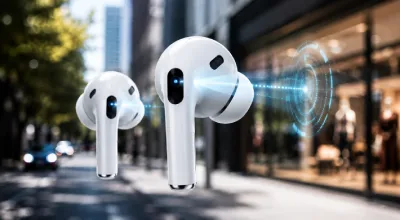
AirPods are among the devices that were studied because they contain magnetic components used in charging, holding, and operating.
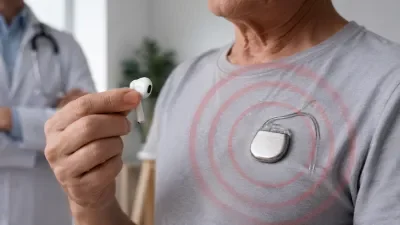
This does not mean that using headphones poses an immediate risk to all patients, but placing them very close to the chest or above the site of the implanted device may increase the possibility of temporary interference in some cases.
A scientific study revealed the possibility of interference
The journal Circulation: Arrhythmia and Electrophysiology published a scientific study in 2022 that examined the effect of a number of modern electronic devices on implanted heart devices.
The results showed that the magnetic fields emanating from some products, including AirPods, the iPhone 12 Pro Max, and a stylus Apple Pencil and Microsoft Surface Pen were, in some circumstances, able to activate the magnetic response in some pacemakers and defibrillators.
The researchers confirmed that the effect depends on several factors, including the type of medical device implanted, the strength of the magnetic field, and the distance between the two devices.
Other devices may cause Interference
Concerns are not limited to AirPods only, as research indicates that a variety of electronic devices may affect implanted cardiac devices when they are too close to the chest.
These devices include some modern smartphones, smart watches, wireless headphones, fitness trackers, magnetic chargers, and some e-cigarettes that contain internal magnets.
Experts also recommend caution when using new technical accessories that rely on magnetic stabilization systems or magnetic wireless charging.
What is the safe distance between devices and regulators? Heart?
Apple recommends maintaining a distance of at least approximately 15 centimeters between its electronic devices and pacemakers or implantable defibrillators.
In some cases, doctors may recommend greater distances depending on the type of medical device used and the patient’s health condition.
For this reason, it is recommended to avoid placing a smartphone or wireless earphones inside a shirt pocket close to the chest, especially for people who carry heart devices. Implanted.
Recommendations of the US Food and Drug Administration
The US Food and Drug Administration (FDA) has issued several recommendations to reduce the possibility of magnetic interference.
The most prominent of these recommendations are not carrying electronic devices directly above the location of the implanted device, maintaining an appropriate safety distance, and adhering to the instructions of the device manufacturer. Medical.
The administration also advises patients to consult a doctor or follow-up center if any interference is suspected or unusual symptoms appear while using electronic devices.
Symptoms that require immediate consultation with a doctor
In most cases the patient does not feel any problem, but some symptoms may indicate that the implanted device may be affected. It requires urgent contact with the doctor.
These symptoms include sudden dizziness, fainting, severe palpitations, shortness of breath, irregular heartbeat, or any abnormal feeling that appears while using an electronic device close to the chest.
Early intervention helps ensure the safety of the device and prevent any possible complications.
Should you stop using AirPods and devices?
Cardiology confirms that the results of studies do not mean that it is necessary to abstain from using AirPods, smartphones, or modern electronic devices.
The risk is often related to the proximity of the electronic device to the place where the pacemaker is implanted for long periods, and not to normal daily use.
Therefore, the best method of prevention remains to adhere to safe distances, follow the doctor’s instructions, and become familiar with the instructions for the medical device implanted in each person. Sick.
Medical interest increases with the spread of smart devices
With the increasing use of smart wearable devices and the spread of charging and magnetic stabilization technologies, experts expect continued research to study the impact of these technologies on implanted medical devices.
This aims to develop more precise safety standards that ensure patients benefit from modern technology without affecting In the vital organs they depend on to maintain their health and quality of life.
In an accelerating digital world, the impact of these innovations extends from following Arabic websites and specialized blogs, in addition to what is provided byEgypt storest Kuwait stores And vitamin stores And foreign sites, while relying on A famous site for social services is an essential factor for success. And continuity..
And here, my dear brothers and sisters, we have completed the mission successfully ✌
Pray for the beloved, your hearts will be kind and do good, no matter how small it is 🎯🌷
And do not forget our brothers in every place of your prayers📌
And kind regards from the Ezznology#Ezz_Technology
You can also view our store's products fromHere 👈#Our store 🌷orHere
And to join our family on Telegram groupFrom👈Here
And also the Facebook groupon which we share information and help Sections from👈here
To subscribe to our newsletter on Google News, click here✌👇

Or scan the code
 Ezznology on Google news
Other topics that may also interest you:
Instagram launches the new Instants application
Google is developing Gemini and adding voice writing
Meta glasses allow writing with hand gestures
OpenAI launches “Daybreak” to enhance cybersecurity
The new AirPods support visual intelligence
GPT-5.5 Instant increases the accuracy of ChatGPT
Microsoft launches a smart legal agent in Word
Mask reveals a surprise: OpenAI technologies were used to develop Grok
YouTube is revolutionizing viewing with the launch of personalized multi-viewing on TV