What is Platform as a Service (PaaS)?
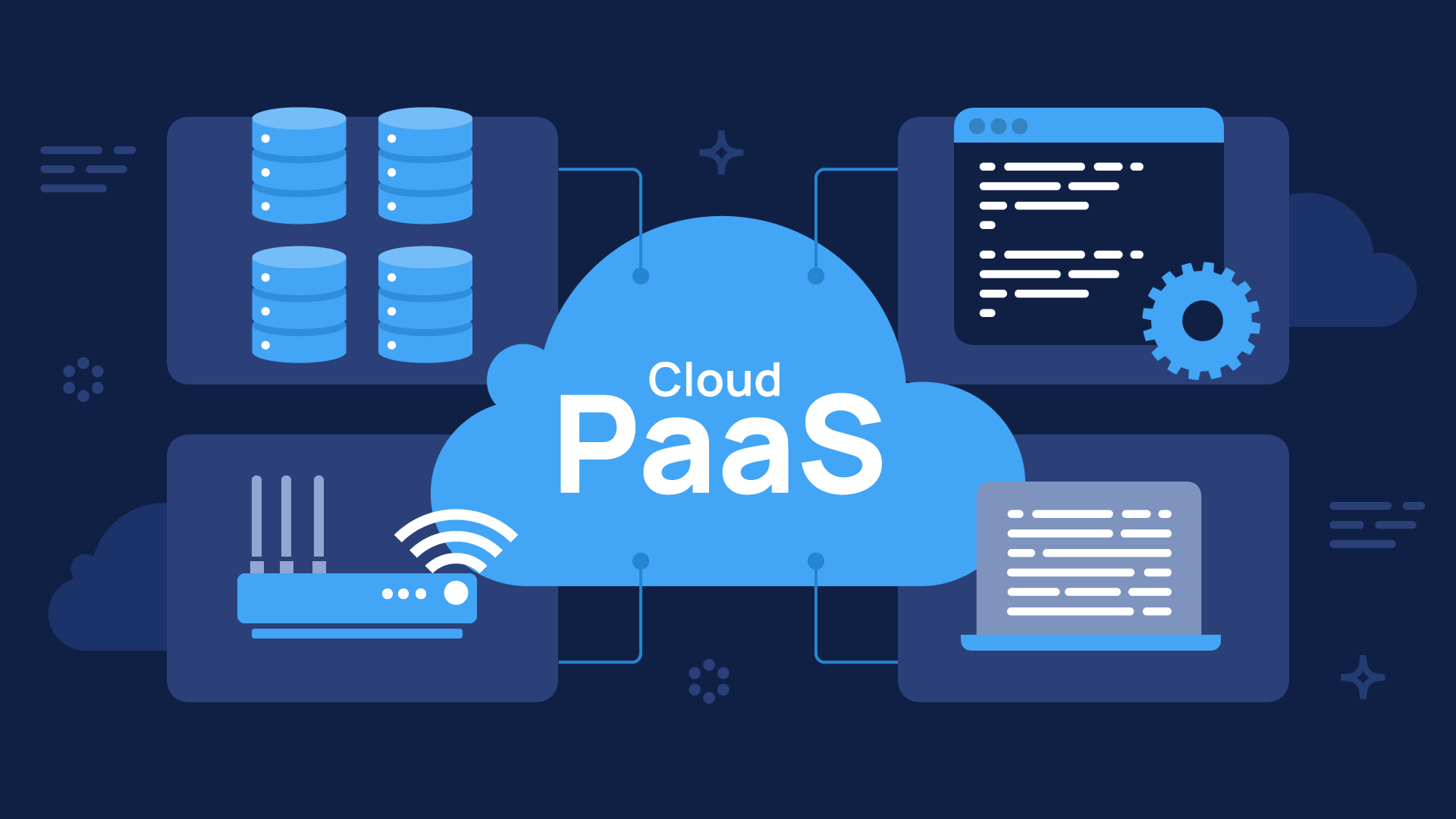
Platform as a Service (PaaS) vendors provide a cloud-based platform for building and running applications.
Why do developers use PaaS?
Faster time to market
PaaS is used to build applications faster than would be possible if developers had to worry about creating, configuring, and provisioning their own platforms and backend infrastructure. With PaaS, all they need to do is write the code and test the application — the vendor handles the rest.
A single end-to-end environment
PaaS allows developers to build, test, debug, deploy, host, and update their applications in the same environment. This allows developers to ensure that the web application will work correctly as hosted before releasing it, and it also simplifies the application development lifecycle.
Cost
PaaS is more cost-effective than leveraging IaaS in many cases. Overhead is reduced because PaaS customers do not need to manage and provision virtual machines. Additionally, some providers have a pay-as-you-go pricing structure, where the vendor only charges for the compute resources the application uses, which typically saves customers money. However, each vendor has a slightly different pricing structure, and some platform providers charge a flat monthly fee.
Simplified licensing
PaaS providers handle all licensing for operating systems, development tools, and everything else included in their platform.
What are the potential drawbacks of using PaaS?
Vendor lock-in
Switching PaaS providers can be difficult, since the application is built using the vendor's tools and specifically for their platform.
For example, each vendor has different architectural requirements. Different vendors may not support the same languages, libraries, APIs, architecture, or operating system used to build and run the application. To switch between vendors, developers may need to either rebuild their applications or significantly modify them.
Vendor dependency
The effort and resources involved in changing PaaS vendors can make companies increasingly dependent on their existing vendors. Even a minor change in the vendor's internal processes or infrastructure can have a significant impact on the performance of an application designed to run efficiently on the previous configuration. Additionally, if a vendor changes its pricing model, running the application may suddenly become more expensive.
Security and compliance challenges
In a PaaS architecture, the external vendor will store most or all of the application data, in addition to hosting its code. In some cases, the vendor may actually store databases through another third party — an IaaS provider. Although most PaaS vendors are large companies with strong security measures in place, this makes it difficult to fully assess and test the security procedures protecting the application and its data. Furthermore, for companies that must comply with strict data security regulations, verifying compliance by additional external vendors will add further obstacles to going to market.
How does Platform as a Service differ from serverless computing?
PaaS and serverless computing are similar in that in both cases, all a developer needs to worry about is writing and uploading the code, while the vendor handles all backend operations. However, scaling differs significantly between the two models. Applications built using serverless computing, or FaaS, will scale automatically, whereas PaaS applications will not scale unless they are programmed to do so. Startup times also differ considerably; serverless applications can be launched almost instantly, while PaaS applications are more like traditional applications and must be running most or all of the time to be immediately available to users.
Another difference is that serverless vendors do not provide development tools or frameworks, as PaaS vendors do. Finally, pricing distinguishes the two models. PaaS billing is not nearly as granular as in serverless computing, where charges are broken down to the number of seconds or fractions of a second that each function instance runs.
And with that, dear friend, we have successfully completed our mission 
With regards from the #Ezznology Team
Find what's useful for you at #our store
To subscribe to our newsletter on Google News, click here 👇👇

Or scan the QR code