
What Is a Domain Name Registrar?
A domain name registrar provides domain name registrations to the general public. A common misconception is that registrars sell domain names; these domain names are actually owned by the registries and can only be leased by users.

What Is a Domain Name Registrar?
A domain name registrar is a company that handles the reservation of domain names as well as the assignment of IP addresses to those domain names. Domain names are alphanumeric aliases used to access websites; for example, the domain name for Google is “google.com” and its IP address is 192.168.1.1. Domain names make it easy to access websites without having to memorize and enter numerical IP addresses. (For more information on how this works, see What Is DNS?)
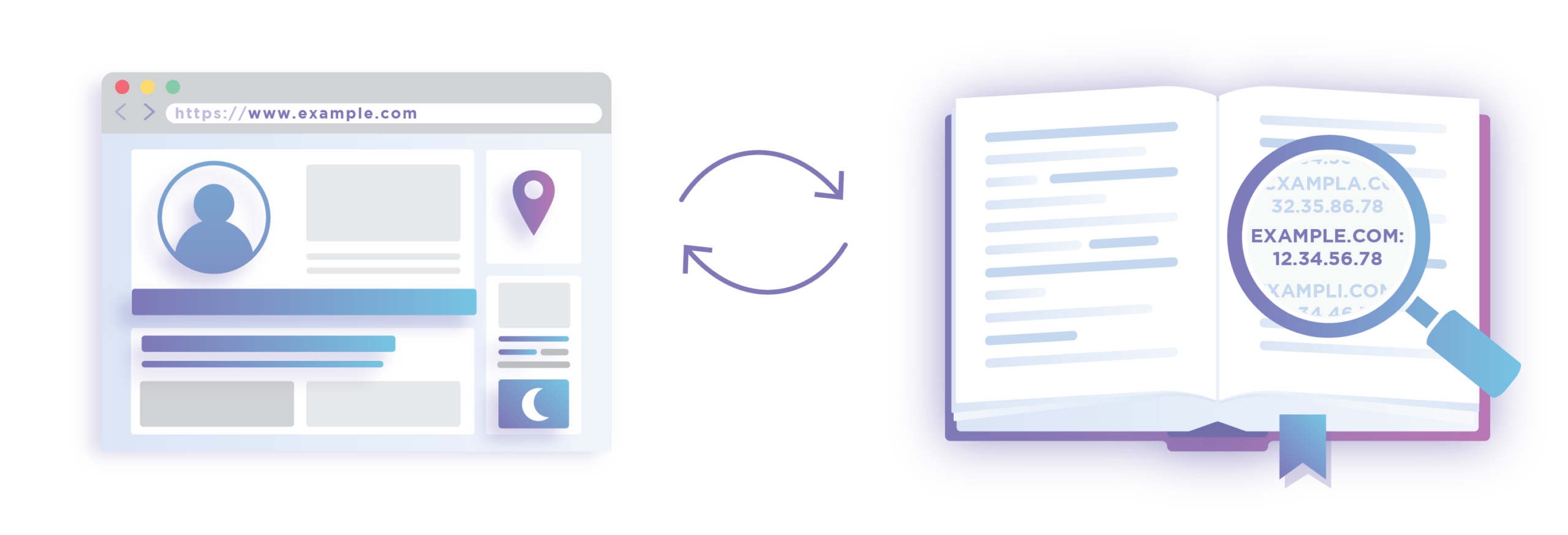
It is worth noting that registrars do not actually manage and maintain domain names; that part is handled by the domain name registry.
What Is the Difference Between a Registrar and a Registry?
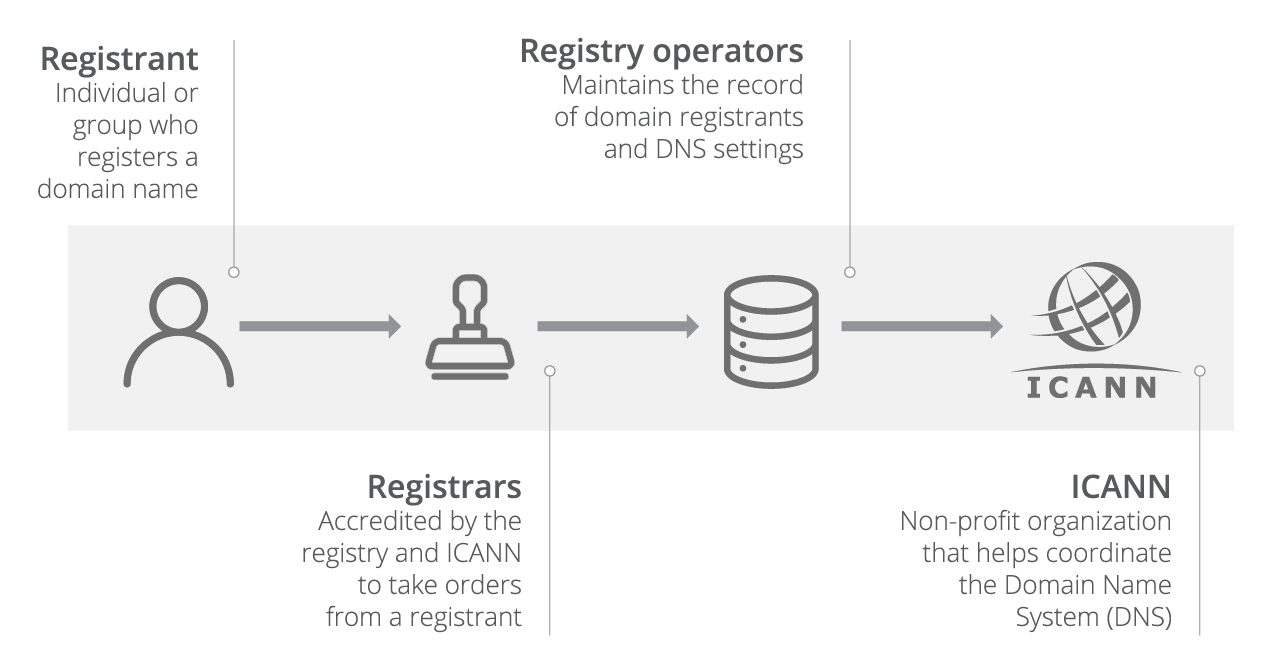
Registries are organizations that manage top-level domains (TLDs) such as “.com” and “.net” – specifically by maintaining records of the individual domains belonging to people and organizations. These registries are administered by the Internet Assigned Numbers Authority (IANA) – a division of the Internet Corporation for Assigned Names and Numbers (ICANN), a global organization that coordinates many of the operations and databases that support the core functions of the Internet.
Registries delegate the commercial sales of domain name registrations to registrars. For example, when a registrar sells a “.com” domain registration to an end user (or “registrant”), the registrar must notify VeriSign – the registry for “.com” domains. The registrar must also pay a fee to VeriSign, which is factored into the price the registrar charges the end user.
Also:
This arrangement works like car sales. A customer wishing to buy a car visits a dealership and is shown the available cars by a knowledgeable sales representative. If the customer chooses to buy a car (not one already in stock, for example), the dealer must then order the car from the manufacturer. The customer ultimately receives the car and gets customer service from the dealership.
The registrar is like a dealership for domain names, and the registry is like the manufacturer. The registrar facilitates transactions and provides support services, while the registry is responsible for producing and delivering the goods. It is worth noting that the key difference between registering a domain name and buying a car is that cars can be owned by consumers, whereas domain names can technically only be leased.
What Does It Mean to “Own” a Domain Name?
Although people often talk about buying and owning domain names, the reality is that registries own all of their domain names, and registrars simply offer customers the opportunity to reserve those domain names for a limited period of time.
The maximum reservation period for a domain name is ten years. A user can hold a domain name for more than ten years, as registrars typically allow them to keep renewing their reservation indefinitely. But the user never truly owns the domain; they are only leasing it.
Are Registrars the Only Ones Who Can Sell Domain Name Registrations?
Resellers are another type of organization that sells domain name registrations. These vendors sell domain names on behalf of a registrar for a finder’s fee. While these resellers are legitimate, they are typically operated as a side business, and therefore may lack dedicated customer support.
Reseller websites rarely explicitly state that they are resellers, and it can be difficult to tell them apart from registrars. Fortunately, there is an easy way to find out if a company is a legitimate registrar: ICANN maintains a published list of every active, accredited domain name registrar on its website.
How Do Domain Name Registrars Protect User Privacy?
Every person who holds a top-level domain name must fill in the WHOIS information for that domain. This is information about the person who registered the domain (the registrant), including their name, email address, physical address, and phone number.
Many registrars offer the option of private registration. In this arrangement, the registrar’s information is provided in the WHOIS listing for that domain, and the registrar acts as the registrant’s agent. This private registration is only as secure as the registrar, as the actual registrant’s information is kept in the registrar’s database.
What Role Do Registrars Play in DNS Security?
As organizations that sell domain registrations and have access to registration information,
registrars must keep their data secure and protected from malicious parties.
In the past, some registrars have played a role in domain hijacking attacks,
which can either change a domain name registration without the original registrant’s permission or abuse domain hosting privileges and the registrar’s software systems.
One example of domain hijacking is an attacker redirecting a given domain directly to a different website,
in order to impersonate the original site or disrupt its business.
ICANN recommends that registrars take a number of steps to prevent domain hijacking, including:
- Better management of AuthInfo codes – randomly generated codes that play a role in the domain transfer process
- Better implementation of domain locks – settings that prevent domain transfers
- Improved identity verification for all registration transactions
- Improved record-keeping for domain changes
And with that, my friend, we have successfully completed our mission 
With greetings from the #Ezznology team
Find what you need at #our store
To subscribe to our newsletter on Google News, click here 👇👇

Or scan the QR code

You may also like:
What Is a Domain Name? And Its Relationship to a URL or Server