What is the Public Cloud? | Public Cloud vs. Private Cloud | The Cloud or Cloud Computing
What is the Public Cloud?
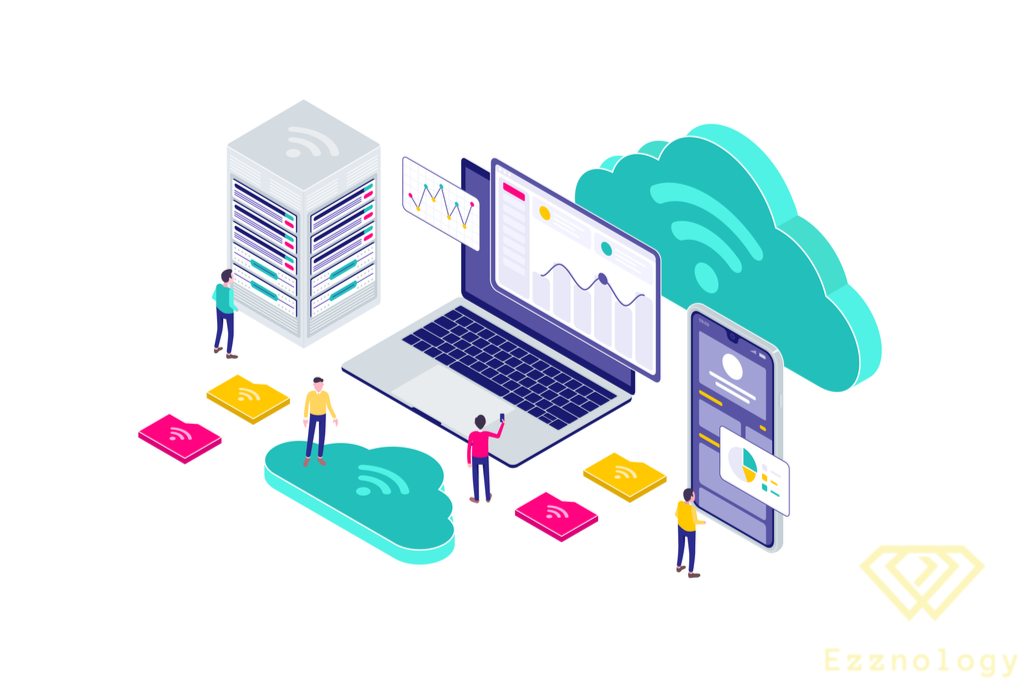
The public cloud is a cloud service offered by a cloud provider to multiple customers. The term “public cloud” is used to distinguish the original cloud model of services accessed over the internet from the private cloud model. The public cloud includes SaaS, PaaS, and IaaS services.
Like all cloud services, a public cloud service runs on remote servers managed by the provider. Customers of that provider access those services over the internet.
What is the Difference Between Public Cloud and Private Cloud?
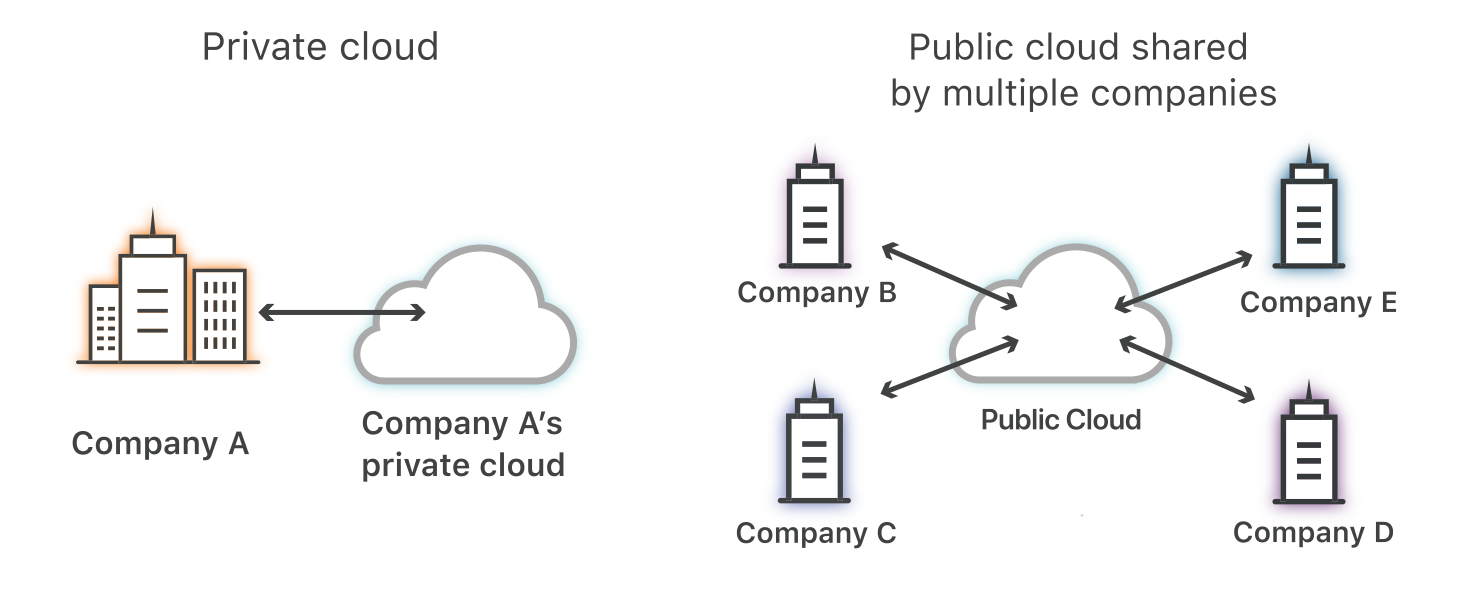
A private cloud is a cloud service that is not shared with any other organization. A private cloud user has the cloud to themselves.
In contrast, the public cloud is a cloud service that shares computing services among different customers, although each customer’s data and applications running in the cloud remain hidden from other cloud customers.
The public cloud is like renting an apartment, while the private cloud is like renting a house of the same size. The house is more private, but it is usually more expensive to rent, and it is not the most efficient use of resources. A building manager handles apartment maintenance, but it is harder to get a contractor to fix the house (sometimes the tenant may have to do it themselves).
There are hosted private clouds, which are provided by an external cloud provider, and internal private clouds, which are managed and maintained by an organization internally.
What is Multi-Tenancy?
Because many organizations share a public cloud, many organizations will sometimes use the same physical server at the same time. This is called multi-tenancy.
Multi-tenancy is when multiple customers of a cloud service provider access the same server. Data from two different companies can be stored on the same server, or processes from two different applications can run on the same server.
What are the Pros and Cons of Using the Public Cloud?
Pros:
- Cost savings: Moving to the public cloud is a way for companies to reduce IT operations costs. Essentially, they outsource these costs to a third party that can handle them more efficiently. Public cloud typically costs less than private cloud, because the cloud provider is able to maximize their hardware utilization and profits by selling their services to multiple customers at once.
- Less server management: If an organization uses a public cloud, internal teams will not have to spend time managing servers – as is the case with legacy on-premises data centers or internal private clouds.
- Security: Many small and medium-sized businesses may not have the resources to implement robust security measures. By using a public cloud service, they can outsource some aspects of cybersecurity to a larger provider with more resources.
Cons:
- Security and compliance concerns: Multi-tenancy may be a concern for companies that need to meet strict regulatory compliance standards. Multi-tenancy also comes with a very slight risk of data leakage, which may be more risk than some companies in specialized fields are willing to accept. (In practice, the risk is minimal; most cloud service providers follow very high security standards.) Finally, it can be difficult to apply the same security policies to both an organization’s internal resources and the public cloud, which is somewhat outside the organization’s control (especially during cloud migration).
- Vendor lock-in: This is always a concern with cloud technology. An organization that uses the cloud will save money and become more agile, but it can also end up dependent on the cloud vendor’s services – virtual machines, storage, applications, and the technologies they provide – in order to maintain their business operations.
What do “Multi-Cloud” and “Hybrid Cloud” Mean?
Multi-cloud and hybrid cloud deployments both involve the public cloud:
- Multicloud refers to using multiple public clouds simultaneously.
- Hybrid cloud deployments combine one or more public clouds with a private cloud, or with on-premises infrastructure.

To subscribe to our newsletter on Google News click here 👇👇

or scan the code